


-

Add: HeBei ShengShi HongBang Cellulose Technology CO.,LTD.
-

Email
13180486930@163.com -

CONTACT US
+86 13180486930


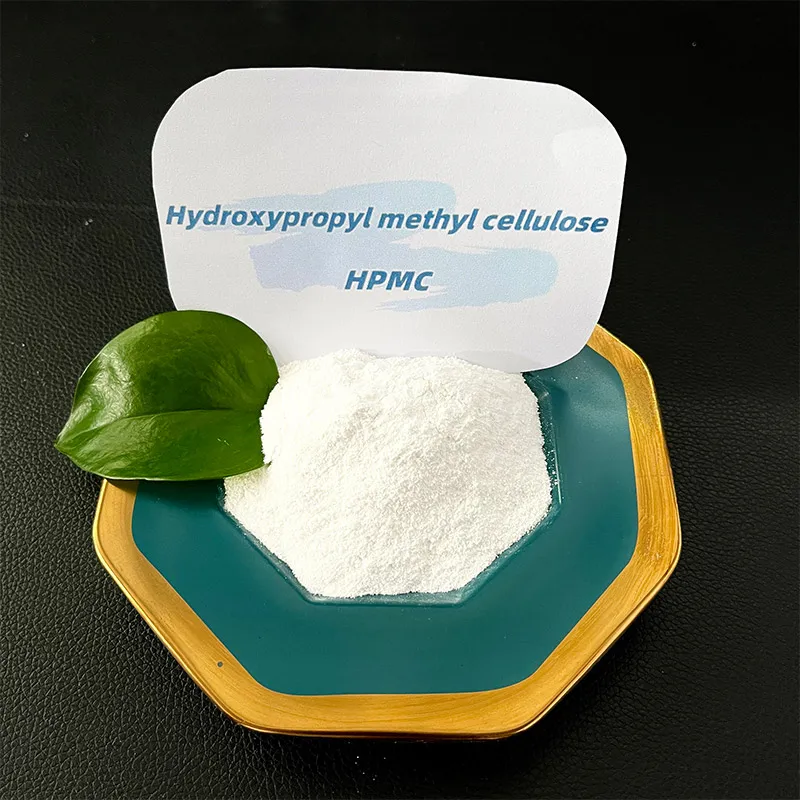
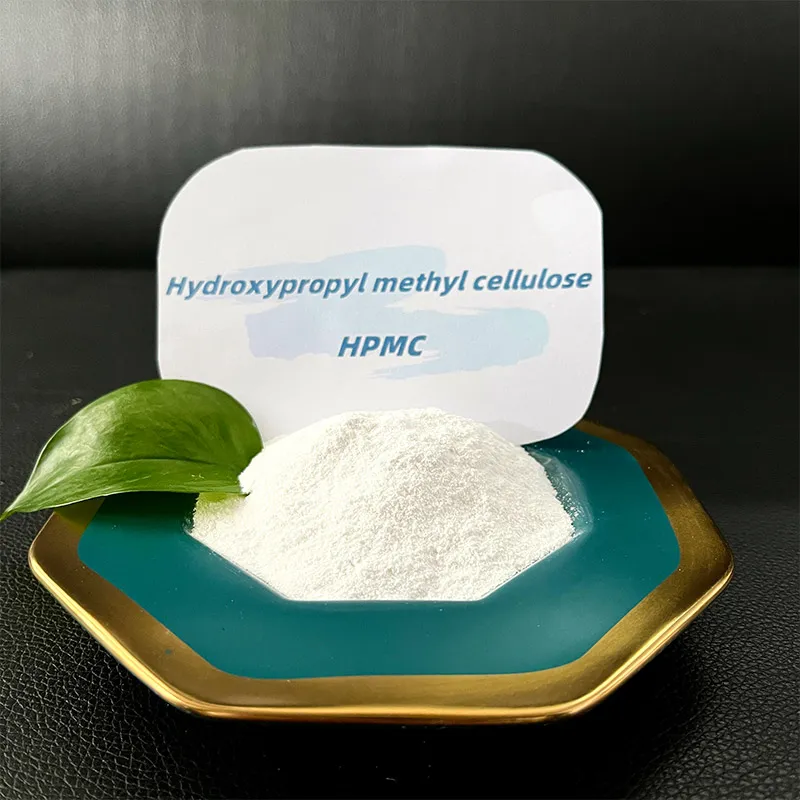
Hydroxypropyl methylcellulose (HPMC) K4M is a versatile polymer extensively utilized across numerous industries due to its functional properties. As an experienced Google SEO specialist, one must understand the intricate ways in which content centered around HPMC K4M can be optimized for search engines by emphasizing the Experience, Expertise, Authoritativeness, and Trustworthiness of the provided information. Here’s an insightful exploration of HPMC K4M’s uses, expertly crafted to highlight its various applications and benefits. HPMC K4M, a chemically modified cellulose gum, is renowned for its superior water-retaining capabilities, making it an indispensable ingredient in the construction industry, particularly in products such as tile adhesives, cement renders, and joint compounds. Its unique property of enhancing water retention helps in extending the workability time and significantly improves the performance of such products. Experts have shown that the inclusion of HPMC K4M in these materials optimizes their adhesion properties, ensuring more reliable and durable construction outcomes. In pharmaceuticals, HPMC K4M serves a cardinal role due to its non-toxic and inert characteristics. Its application in controlled release formulations underscores its importance, offering a sustained release mechanism crucial for various oral dosage forms. With a meticulously controlled viscosity, HPMC K4M enables formulators to craft tablets and capsules that release active ingredients over a specified duration, thus maximizing therapeutic efficacy and enhancing patient compliance. The authoritative use of HPMC K4M in sustained-release matrix systems is a testament to its crucial role in modern drug delivery. The food industry also capitalizes on the functional attributes of HPMC K4M, using it as a stabilizer and emulsifier. This polymer is exceptionally valued for its ability to improve the texture and shelf-life of food products . For instance, its inclusion in bakery products, like gluten-free bread, aids in maintaining moisture and structural integrity, which would otherwise be challenging to achieve. Such practical applications showcase the trust manufacturers place in HPMC K4M to meet rigorous food safety and quality standards. Cosmetic manufacturers frequently utilize HPMC K4M for its film-forming and thickening properties. Its ability to create a transparent film over the skin makes it a preferred ingredient in lotions and sunscreens, providing hydration and protection against environmental stressors. Moreover, its compatibility with a wide range of skin and hair care formulations underscores its versatility and reliability. Professionals in the cosmetic field trust HPMC K4M for its hypoallergenic and non-irritating properties, ensuring user safety and satisfaction. hpmc k4m uses The growing use of HPMC K4M in personal care products highlights its role in the formation of hair gels and styling agents, attributing to its thickening and holding capabilities. By providing an optimal balance between viscosity and flexibility, HPMC K4M allows for innovative formulations that cater to diverse consumer needs. The persistent trust in HPMC K4M by hair care experts and its verified efficacy reinforce its esteemed position in this competitive market. In manufacturing, HPMC K4M is extensively applied as a binder in paints and coatings. Its viscosity optimizes the rheological properties of paints, offering superior spreadability and finish. It enhances pigment suspension, preventing settling and ensuring uniform color distribution. Such reliable performance data decidedly positions HPMC K4M as a staple in improving the quality and durability of paints, thus establishing its paramount importance in manufacturing processes. To further epitomize HPMC K4M’s credibility, numerous authoritative research studies corroborate its efficacy and safety across applications. By consistently retaining moisture, providing controlled drug release, stabilizing food textures, and enhancing product performance, HPMC K4M demonstrates a multi-industry versatility that demands acknowledgment. In conclusion, HPMC K4M’s multifaceted applications across various sectors exemplify its indispensability and the trusted confidence placed in this polymer by industry professionals worldwide. Its proficient functionality in enhancing product performance confirms its role as an invaluable component in formulation science. Such comprehensive use and reliance emphasize the polymer’s unmatched potential and innovative prospects, marking it as a pivotal material in both current and future applications. Therefore, content strategy focused on the robust capabilities and diverse uses of HPMC K4M will be well-received, optimizing its searchability and authority across digital platforms.
- 40000tons

Production
- 20+years

Experience
- 5000+㎡

Acreage

-
Rubber powder is a revolutionary material that opens up endless possibilities across various industries. Made from recycled rubber, it is a sustainable solution that can be used in a variety of applications, ranging from manufacturing to construction. Whether you’re working on rubber flooring, asphalt, or other innovative products, rubber powder offers unmatched versatility and environmental benefits. By choosing rubber powder , you not only support eco-friendly practices but also enhance the performance and durability of your projects. Experience the power of rubber powder and make your business more efficient, cost-effective, and sustainable. Explore the Many Rubber Powder Uses for Your Industry The rubber powder uses are vast and diverse, making it an invaluable resource across many sectors. Rubber powder is widely utilized in the construction industry, where it can be mixed into asphalt for roads, creating durable and sound-resistant surfaces. In addition, it’s used in the production of rubber mats, artificial turf, and flooring solutions that provide safety and comfort. The rubber powder uses extend into the automotive industry as well, where it is used in manufacturing tires and various rubber components. By incorporating rubber powder into your products, you can enhance both performance and sustainability. Whether for industrial or consumer goods, the benefits of rubber powder uses are clear. Get the Best Rubber Powder for Sale Looking for high-quality rubber powder for sale ? Our top-grade rubber powder is available in various grades and quantities to meet your specific needs. Whether you need it for small-scale applications or large-scale manufacturing processes, we have the right product for you. Our rubber powder for sale is made from 100% recycled rubber, ensuring it meets industry standards for quality and performance. By purchasing rubber powder for sale from us, you’re investing in a sustainable and cost-effective solution that delivers superior results. Our reliable shipping and competitive prices make it easy to access the rubber powder you need, when you need it. Understand Rubber Powder Price for Your Budget When considering purchasing rubber powder , understanding the rubber powder price is key to managing your budget effectively. The rubber powder price can vary depending on the grade, quantity, and intended use, but we offer competitive pricing to ensure that you get the best value for your investment. Our rubber powder price reflects the quality and sustainability of the material, making it an affordable choice for your business. Whether you're purchasing in bulk or smaller amounts, our transparent pricing ensures that you can make informed decisions while staying within your budget. Get in touch with us today to learn more about rubber powder price and how we can support your projects. Why Choose Us for Your Rubber Powder Needs? We are your trusted partner for all things rubber powder , offering premium products at competitive rubber powder price s. Our rubber powder for sale is made from high-quality recycled materials and is suitable for a wide range of applications, from construction to manufacturing. We are committed to providing you with the best rubber powder uses and ensuring that every product meets the highest industry standards. With our flexible purchasing options and reliable service, you can count on us to deliver the rubber powder you need to take your projects to the next level. Choose us for all your rubber powder requirements and experience the difference in quality, performance, and cost-effectiveness.
-
Methyl hydroxyethyl cellulose (MHEC) is a versatile polymer that is widely used across various industries due to its unique properties and applications . Its primary value lies in its ability to modify the rheological properties of solutions, making it an essential component in many products. This article delves into both the technical attributes of MHEC and its practical applications, showcasing its breadth of uses aided by its expert formulation. MHEC is fundamentally designed to enhance product performance by acting as a thickening, water-retaining, and stabilizing agent. One of the standout features of MHEC is its solubility in both cold and hot water, which allows for flexibility in the formulation processes. With advancements in its synthesis, MHEC offers excellent thermal stability, making it indispensable in products exposed to varying temperature conditions. In the construction industry, MHEC plays a critical role, particularly in cement-based products. For tile adhesives, MHEC provides the necessary consistency and adhesion properties that ensure tiles remain affixed to surfaces over time. It enhances workability by improving the open time and reducing sagging, which are crucial for optimal application and end-user satisfaction. Furthermore, MHEC's water retention capability ensures adequate curing, which enhances the strength and longevity of the construction work. Paints and coatings greatly benefit from MHEC due to its ability to improve viscosity and suspension properties. It ensures that pigments and other components are evenly distributed throughout the formulation, preventing settling and ensuring a consistent finish. Additionally, for water-based paints, MHEC acts as a thickener, allowing for smooth application and leveling, critical for achieving high-quality aesthetic results. In the personal care and cosmetics sector, MHEC’s safety profile and non-toxic nature make it an ideal choice for products that require viscosity modification without compromising user safety. It is utilized in creams, lotions, and shampoos to enhance texture and provide a desirable feel upon application, impacting not only the efficacy but also the sensory appeal of beauty products. Consumers trust products that incorporate MHEC due to its ability to create a stable emulsion and maintain product integrity over time. methyl hydroxyethyl cellulose uses For the pharmaceutical industry, MHEC serves as an excipient, providing controlled release properties for tablets and capsules. Its role in regulating viscosity is vital in suspensions and syrups, ensuring the active ingredients are delivered effectively. The precise formulation capabilities of MHEC have been subjected to rigorous testing, validating its benefits in enhancing drug delivery systems. MHEC is also making strides in emerging applications such as bio-composites and sustainable materials. Researchers and experts are continuously exploring its potential in the formation of eco-friendly products, underlining the polymer's adaptability to future demands. From a professional and authoritative perspective, companies leveraging MHEC in their formulations benefit from the empirical research and development that have proven its efficacy across diverse applications. Experts in material science and chemical engineering advocate for its use, recognizing the polymer's ability to provide tailor-made solutions for complex production challenges. Overall, methyl hydroxyethyl cellulose's multifaceted utility, backed by scientific expertise, positions it as a fundamental resource for innovative product development. Its continued research and application reflect its robustness and relevance in industries seeking high-performance and reliable solutions.
advantages
-

200000 Viscosities
Excellent product
We can produce pure products up to 200,000 viscosities
-

40000 tons
High yield
We don’t stop production all year round, and the annual output can reach 40,000 tons
-

24 hours
Quality service
We provide 24-hours online reception service, welcome to consult at any time
———— Inquiry Form
Schedule A services
-
 confix_pp_fiber
Oct . 25, 2025
Hydroxypropyl Methylcellulose (HPMC) stands as a unique and versatile compound with a broad range of -
 dempul_kayu_selulosa
Oct . 25, 2025
Hydroxypropyl methylcellulose (HPMC) is increasingly gaining popularity in various industries, from -
 chemical_material
Oct . 25, 2025
Hydroxypropyl methylcellulose (HPMC) has become an integral component in the construction industry,


